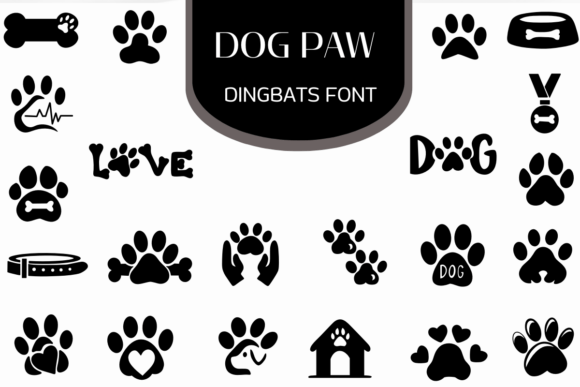
Dog Paw: A Playful Dingbats Font for Creative Projects
Finding the right design assets can transform a project from ordinary to unforgettable. For designers, marketers, and creators, the details matter immensely. A font isn't just letters on a page; it's a voice, a mood, and a statement. This is especially true for decorative and thematic typefaces. The Dog Paw font is a charming example, offering a unique visual language that speaks directly to animal lovers and anyone seeking to inject warmth and personality into their work.
Understanding the Dog Paw Typeface
Dog Paw is a specialized dingbats font, meaning it doesn't contain traditional alphanumeric characters. Instead, its glyph set is composed entirely of dog paw prints in various poses and styles. Each character you type translates into a different paw impression—some clean and simple, others with texture and a sense of movement. The visual style is unmistakably friendly and organic. It carries a playful, affectionate personality that resonates with pet-related branding, children's materials, and community-focused initiatives.
The appeal of this typeface lies in its specificity. Unlike a generic sans serif or script font, Dog Paw provides an immediate visual cue. It's a creative font that functions as both a decorative element and a symbol. When used thoughtfully, it can become a core component of a brand's visual identity, particularly for businesses in the pet care, veterinary, or animal welfare sectors. Its strength is in its ability to communicate a concept without a single word of text.
Where Dog Paw Shines: Practical Applications
The utility of Dog Paw extends across a wide range of creative and professional projects. In logo design, a single, well-placed paw print can serve as a memorable icon or a subtle accent within a wordmark. For packaging design, especially for pet food, treats, or grooming products, this font can line the edges of a box or create a patterned background, instantly connecting the product to its purpose.
- Branding and Marketing: Use Dog Paw in social media graphics for pet influencers or animal rescue organizations. It adds a layer of authenticity and charm that generic stock images often lack. For email marketing campaigns targeting pet owners, a paw print as a divider or bullet point can increase engagement.
- Editorial and Publishing: In magazines, blogs, or children's books about animals, the font can be used for chapter headings, section breaks, or decorative margins. It helps establish a thematic consistency that enriches the reading experience.
- Digital and Web Design: On a website for a dog walking service or a pet adoption agency, Dog Paw can be used for iconography, creating custom list markers, or as a background texture. Its playful nature can make a site feel more welcoming and less corporate.
- Personal and Craft Projects: For hobbyists, the font is perfect for creating custom invitations for pet birthday parties, scrapbooking memories with a beloved animal, or designing personalized merchandise like t-shirts and mugs.
Making It Work: Guidance for Effective Use
Integrating a thematic font like Dog Paw requires a strategic approach. Its power is in its specificity, which also means it can overwhelm a design if used without restraint. Here’s how to evaluate its fit and use it effectively.
First, consider your project's core message and audience. Dog Paw is an excellent fit for projects with a lighthearted, compassionate, or community-oriented tone. It would feel out of place in a formal legal document or a luxury fashion brand's primary materials, but it could be a delightful surprise in a more relaxed sub-brand or campaign. Always test how the font renders at different sizes. A tiny paw print might lose its shape, while an overly large one could dominate the layout.
Font pairing is crucial. Because Dog Paw is a display font with high thematic content, it pairs best with simple, neutral typefaces. A clean sans serif font for body text provides a stable, readable foundation that lets the paw prints stand out as decorative accents. A classic serif font could also work for more traditional or editorial contexts, creating an interesting contrast between formal text and playful symbols.
Review the full character map before starting. Understanding the variety of paw prints available allows for more creative compositions. You might use different styles to represent different dog breeds or create a sense of progression in a design. Most importantly, check the licensing. As a commercial font, ensure its use aligns with your project's scope, whether for personal, client, or product-based work. Proper licensing is a fundamental aspect of professional design practice.
Ultimately, the Dog Paw dingbats font is a valuable addition to any designer's toolkit when the project calls for it. It’s more than a novelty; it’s a focused design asset that can enhance brand perception, create emotional connections, and deliver a clear message through visual metaphor. By applying it with intention and pairing it wisely, you can create work that is both professional and deeply engaging for your audience.